Meet Our Team
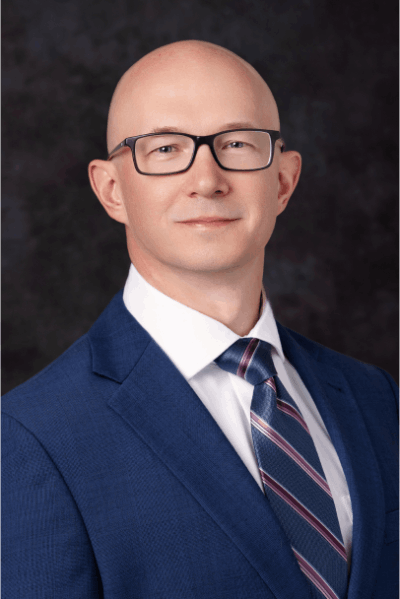
Shane P. McEntire, MD
Vascular Surgery, General Surgery
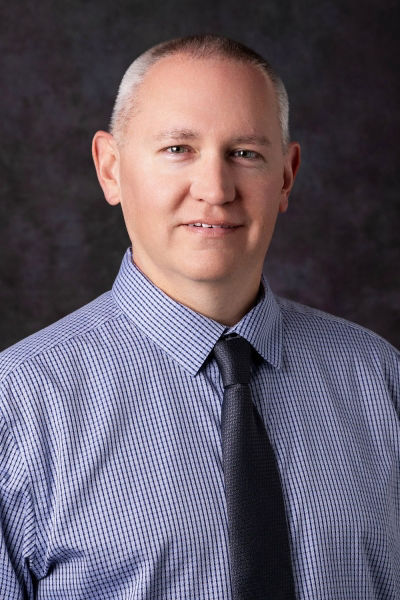
Christopher A Griggs, DO
Vascular Surgery, Wound Healing Center
Vascular Surgery, General Surgery
Vascular Surgery, Wound Healing Center
You will join two mid-career vascular surgeons who share a common perspective: they came to Tallahassee specifically for the opportunity to build something new. Neither grew up here. Neither had family ties to the region. Both chose this position because they wanted to shape a vascular program from the ground up rather than inherit someone else's established practice. That founder mentality defines the culture of this small team, and it is the same quality that will make the right candidate successful in this role.
Shane McEntire, MD brings 13 years of independent practice experience, most recently retiring from the U.S. Army in July 2024 before joining SMG as his first civilian position. His military career included extensive vascular surgery experience across multiple settings, giving him a pragmatic, adaptable approach to practice-building. At 48, he is mid-career with the energy and drive to grow a program but with enough experience to mentor when needed and to handle complex cases with confidence. He serves as the de facto senior surgeon within the vascular group and has been instrumental in establishing referral relationships with hospitalists, emergency physicians, and primary care providers throughout the region.
Chris Griggs, DO joined in November 2023 and has been a steady presence as the program has grown. Together, McEntire and Griggs have absorbed the patient volume and call burden that previously required three surgeons, demonstrating both their commitment to the program and the clinical demand that makes a third surgeon essential.
The two remaining surgeons describe their working relationship as genuinely collaborative. They help each other on complex cases, cover for each other without friction, and share a vision for what this program can become. They are not looking for someone who needs close supervision. They want a third surgeon who can function independently, contribute to program growth, and share the call burden equitably. Mentorship is available when needed, but this is not a fellowship extension. You will be expected to manage your own patients, handle complications, and make decisions with confidence from day one.
One of the defining features of this position is your integration into Southern Medical Group's comprehensive cardiovascular practice. You are not joining an isolated vascular surgery silo. You are becoming part of a 20-plus physician cardiovascular team that includes interventional cardiology, general cardiology, electrophysiology, and cardiothoracic surgery, all working within a shared governance structure and aligned around common goals.
The interventional cardiology relationship is particularly relevant to your daily practice. Five interventional cardiologists (soon to be four, with one departure for personal reasons) provide the peripheral and structural expertise that makes the CLI program possible. Dr. Bill Dixon is the interventional cardiologist most actively involved in peripheral work and has been a driving force behind the limb salvage program. He describes the vascular surgery collaboration as seamless: cases are discussed openly, procedures are co-managed when appropriate, and there is no turf protection or institutional friction. When you need a cardiology perspective on a complex case, you pick up the phone and get an answer. When they need surgical backup during a TAVR or a catheter complication, you are there in minutes, not hours.
SMG employs approximately 28 advanced practice providers (APPs) across the cardiovascular service line. Unlike many hospital-employed models where APPs are pooled and assigned by administration, SMG's APPs are employed directly by individual physicians. This structure creates continuity, accountability, and workflows tailored to each physician's preferences.
The vascular surgery team does not currently have dedicated APP support, though there is capacity and support to add APPs as the program grows. Current vascular surgeons manage their own clinic patients and round independently, which they describe as more efficient for their workflow. As volume increases with the addition of a third surgeon, expanding APP support is a natural next step that you would have input in designing.
The culture at SMG is physician-led, collegial, and quality-driven. Physicians have meaningful input into operational decisions, scheduling, and strategic planning. The governance structure includes a dyad leadership model for the Heart and Vascular Institute (chartered through TMH's board), giving physicians direct escalation pathways to hospital leadership when issues arise. This is not a practice where administrative decisions are handed down without physician input.
Physician longevity within the cardiology group has historically been strong, with many partners practicing for 10 to 20 years or more. Recent turnover in the broader cardiology group has been attributed to a combination of factors: post-COVID operational disruptions, a billing system transition that created temporary payment delays, and leadership gaps at the hospital level that have since been addressed. A new TMH CEO (Ryan Smith) is viewed positively by the physician group and is described as engaged, supportive of outpatient cardiovascular value, and committed to fixing the structural issues that contributed to earlier friction.
Within the vascular surgery team specifically, the one departure (Heiderperm) was driven entirely by family considerations, not dissatisfaction with the practice or position. The remaining surgeons are committed to the program and describe the work environment, clinical opportunity, and collaborative culture in genuinely positive terms.
You will be joining a team that wants you to succeed, a practice that values physician autonomy, and a cardiovascular program with the clinical depth and institutional support to help you build a meaningful career.