WK Hematology/Oncology Associates
WK Hematology/Oncology Associates has grown steadily for more than a decade. The group now includes seven physicians who operate as independent practitioners sharing overhead and call under a unified group structure. Physicians choose their own insurance panels and build their practices with a high degree of autonomy. The group has added an APP extender to assist with inpatient call coverage.
The incoming physician will initially join the inpatient hospitalist service at Piermont Hospital under a separate contract, with a defined path into the main outpatient group at the Cancer Center.
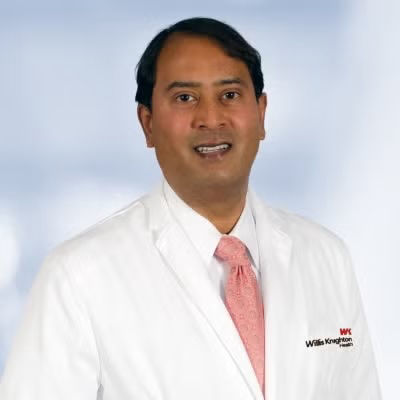
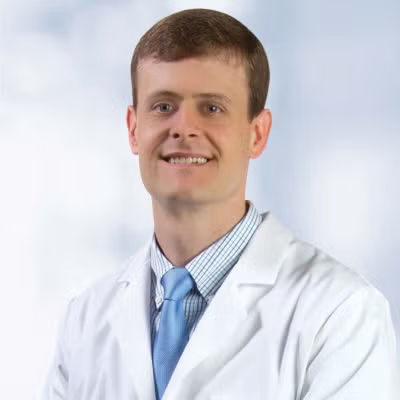
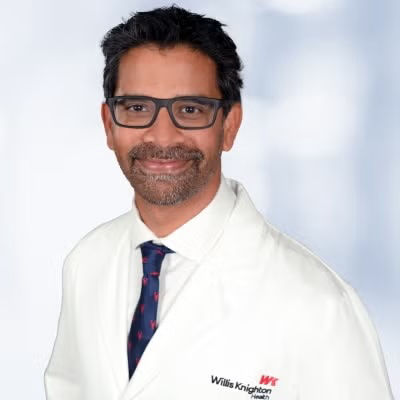
Physician Group
| Physician |
Clinical Focus |
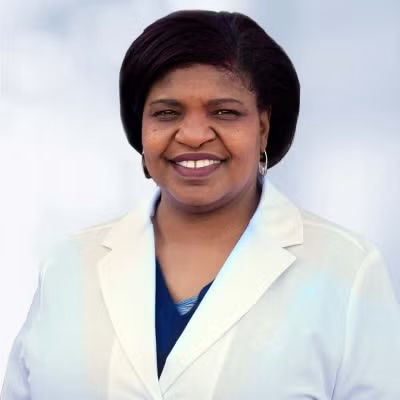
| Joyce E. Feagin, MD |
Solid tumors, hematology; cancer liaison physician for the American College of Surgeons |
| Kevin M. Gallagher, MD |
Aerodigestive cancers (lung, liver, stomach, pancreas, GI tract), GU oncology; active clinical researcher |
| Tyler D. Lash, MD |
Broad hematology and medical oncology; Shreveport native who returned after training at UAB and Wake Forest |
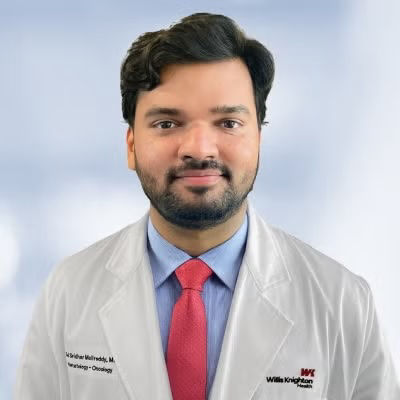
| Sai Sridhar Malireddy, MD, MPH |
General oncology and hematology |
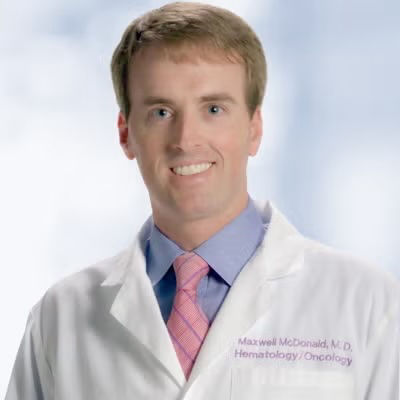
| Maxwell "Chip" McDonald III, MD |
Lung cancer, gynecologic oncology, hematology |
| Prakash Peddi, MD |
Breast cancer, rare malignancies, benign blood disorders |
| Anil Veluvolu, MD |
Hepatobiliary and upper GI tumors (liver, gallbladder, bile ducts, pancreas, esophagus, stomach); sees patients at both main campus and Pierremont |
Support Staff and Extended Team
- APP Extender: One advanced practice provider assists with inpatient oncology rounding and call coverage
- Clinical Research Associates (4): Support active pharmaceutical trials; WK was ranked second nationally for an international liver cancer trial
- Molecular Biologist / Genetic Counselor: Mary Norberg, full-time on staff
- GYN Oncologist: Dr. Black, MSK-trained and nationally published; runs her own clinical research organization
- Endoscopic Ultrasonographer: MD Anderson-trained; integrated into multidisciplinary hepatobiliary tumor board and direct oncology workup
Practice Culture
The group operates with a high level of clinical autonomy. Physicians are not told which insurance panels to accept, how to structure their schedules, or how to run their clinics. WK administration is described by group partners as genuinely supportive: requests for resources and staffing are generally approved. The group holds multiple tumor boards each week, meets regularly with subspecialty partners, and treats research as both a clinical and financial priority.
The group's preference is for a physician who plans to build a long-term career in the Shreveport-Bossier area. Partners who have left in the past have created patient continuity problems that the group takes seriously. The hospitalist entry pathway is a reflection of that priority, not a barrier to entry.