Community Overview

Exploring Our Community

Where Mountain Majesty Meets Genuine Western Community

Laramie, Wyoming, offers a rare combination of spectacular mountain scenery, genuine western heritage, and university-town culture—all within a small, welcoming community of 31,850 residents. Nestled at 7,200 feet in a high plains basin, the city provides physician families both professional opportunity and an unparalleled lifestyle.

Geographic Setting and Natural Beauty

  • Elevation & Climate: 7,200 feet above sea level, 300 days of sunshine annually, four true seasons, low humidity.
  • Mountain Access:
    • Snowy Range (west, 30 miles): 12,000+ foot peaks, alpine lakes, wilderness, National Forest Scenic Byway for hiking, fishing, camping.
    • Laramie Range (east, 7 miles): Rolling mountains, ponderosa pine/aspen, hunting, mountain biking, backcountry exploration.
  • Waterways: Laramie River flows through town, fed by mountain streams.
  • Seasonal Conditions: Warm summers (70s–80s, cool nights), snowy winters (October–April) ideal for winter sports.

University Town and Community Culture

  • Population & Identity: County seat of Albany County, largest city in southeastern Wyoming, blending western heritage, railroad history, and university-town culture.
  • University Influence: University of Wyoming (12,000+ students, R1 research institution) shapes intellectual, cultural, and professional life.
  • Cultural Opportunities: Performing arts, lectures, museums, NCAA Division I athletics (UW Cowboys and Cowgirls), craft breweries, coffee shops, bookstores.
  • Community Character: Small-town accessibility, welcoming to newcomers, strong civic engagement, and neighborliness.

Historical Significance & Local Traditions

  • Founded 1868 with Union Pacific Railroad, authentic western heritage preserved.
  • Wyoming Territorial Prison (1872): Historic site with frontier history.
  • Annual Celebrations: Jubilee Days (early July) featuring rodeo, parade, street fair, music, carnival, softball tournaments.

Travel Access & Regional Connectivity

  • Highways: Interstate 80 and US Routes 30, 287.
  • Major Cities: Denver International Airport 130 miles south (~2 hrs), Cheyenne 50 miles east, Fort Collins 65 miles southeast.
  • Regional Destinations: Rocky Mountain National Park <3 hrs, Yellowstone ~6–7 hrs, Grand Teton ~5–6 hrs.
  • Air & Rail: Laramie Regional Airport (limited service), Union Pacific freight service.

Why Physicians Relocate to Laramie

  • Lifestyle: World-class outdoor recreation (skiing, hiking, biking, fishing) within an hour.
  • Affordability: Housing and cost of living make physician income go further than metropolitan areas.
  • Community: Genuine, welcoming western culture; children grow up in safe, engaged neighborhoods.
  • Professional Opportunities: University, hospital, K-12 schools, state government, and private sector roles available.
  • Quality of Life: Balanced lifestyle with minimal traffic, low crime, and strong work-life satisfaction.

Bottom Line: Laramie is ideal for physician families seeking outdoor adventure, small-town community, affordability, intellectual culture, and a lifestyle where children can explore freely while enjoying genuine connection with neighbors.
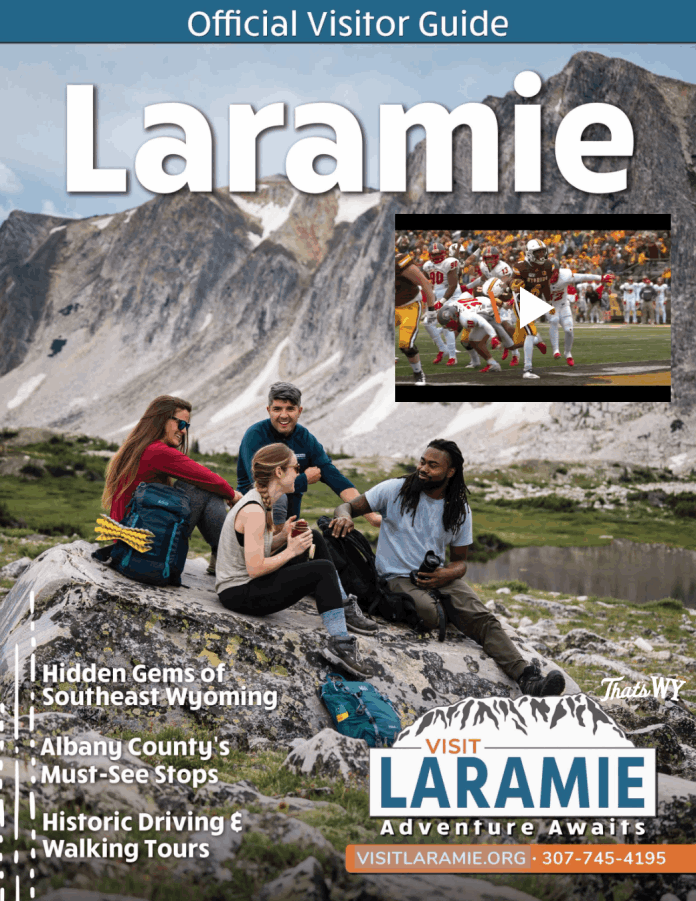
Your Ultimate Travel Guide

Looking to explore a new destination, but not sure where to start? A travel guide can help you discover the hidden gems and must-see attractions of a new place. Whether you're looking for the best local cuisine, the most scenic views, or the most exciting activities, a good travel guide can provide you with insider knowledge and expert recommendations. With a travel guide in hand, you can make the most of your trip and experience a new place like a local. So why not start planning your next adventure with a travel guide today?

History Unveiled: A Journey Through Time

From "Hell on Wheels" to Equality State: Laramie's Story of Transformation

Laramie’s history reflects rapid frontier growth, pioneering spirit, and lasting social progress. From a raw railroad outpost to a modern university town, its evolution shaped the character of the community today.

Railroad Origins and Early Growth

  • May 4, 1868: Union Pacific locomotive signals Laramie's birth; first passengers arrive.
  • Strategic Location: Near Laramie River for water; just north of Fort Sanders for protection.
  • Early Development: Streets and lot lines laid February 1868; lot sales begin April 20, attracting settlers.
  • Sherman Summit: 8,200 ft elevation, then world's highest railroad; Dale Creek Trestle 125 ft high, 1,400 ft long.
  • Rapid Population Growth: 2,000+ residents within two weeks of railroad arrival.
  • Early Character: Frontier “Hell on Wheels” town—tents, saloons, gambling dens; transformed quickly into permanent structures.

Establishing Law and Order

  • First Mayor: M.C. Brown resigns after six weeks due to rampant lawlessness.
  • Autumn 1868: Vigilantes restore order.
  • Late 1868: Schools, churches, stores, and permanent buildings establish a community foundation.
  • January 13, 1874: Laramie officially incorporated.
  • Railroad Economy: Union Pacific rolling mill opens 1874 (300 employees); railroad dominates early workforce.

Women’s Suffrage and the “Equality State”

  • 1869: Wyoming Territory passes women’s suffrage legislation.
  • September 6, 1870: First documented woman votes in Laramie.
  • Late 1870: First women serve on juries in the U.S.
  • 1890: Wyoming enters Union as first state with women’s suffrage enshrined in its constitution.
  • Legacy: Laramie played a central role in advancing women’s rights; state nicknamed “Equality State.”

Economic Diversification and University Influence

  • Ranching Boom (1870s–1880s): Supported by stockyards, ice plant, and shipping infrastructure.
  • Notable Ranchers: Philip Mandel, Thomas Alsop, Charles Hutton, Robert Homer, Bath brothers.
  • 1886: University of Wyoming founded (Old Main).
  • Current Status: R1 research university, 12,000+ students, primary economic and cultural engine.

Notable Figures and Architectural Heritage

  • Edward Ivinson: Banker, philanthropist; Ivinson Mansion now Laramie Plains Museum.
  • Mary Godat Bellamy: First woman legislator in Wyoming; Laramie Women’s Club preserves history.
  • Architectural Preservation: Laramie Downtown Historic District, West Side Historic District, Old Main, St. Matthew’s Cathedral, Ivinson Mansion, Wyoming Territorial Prison (historic site).

Transition to Modern Era

  • 20th Century: Railroad employment declines; University becomes primary economic driver.
  • Population Growth: 1950 – 15,581; 1970 – 23,143 (driven by university expansion).
  • Rail Service: Union Pacific passenger service ends 1971; intermittent Amtrak service until 1997.
  • Contemporary Identity: University town and regional hub for healthcare, education, and culture.
  • Community Character Today: Independent, welcoming, progressive yet western, educated yet practical; strong connection to history and heritage.

Bottom Line: Laramie is a community shaped by 150+ years of frontier determination, social progress, and intellectual growth. Physician families relocating here join a city with genuine history, preserved heritage, cultural richness, and an active, welcoming community that balances modern amenities with small-town western life.

Population & Demographics: Understanding Our Diverse Community

A University Town’s Unique Social Fabric

Laramie’s community reflects a rare mix of western independence, university-driven intellectual energy, and small-town accessibility, creating a distinctive environment for physicians and their families.

Population and Growth

  • City Population: 31,850 (2020 census), estimated 33,338 (2025)
  • Micropolitan Area: ~38,000 residents (including Centennial & Rock River)
  • Growth Rate: ~1.2% annually; modest, stable, predictable
  • Median Age: 26.9 years (younger than Wyoming average of 38.8)
  • University Influence: 12,000+ UW students shape demographics, energy, and culture
  • Community Mix: Students, families, long-term residents, and young professionals

Demographics and Diversity

  • Racial Composition (2023):
    White (Non-Hispanic): 78.6%
    White (Hispanic/Latino): 5.2%
    Asian (Non-Hispanic): 4.1%
    Two or More Races: 2.9%
    Black/African American: 1.4%
    Hispanic/Latino (total): 11.7%
  • Language Diversity: English: 88.4%, Spanish: 4.8%, Indo-European: 3.2%, Asian/Pacific Islander: 2.8%
  • Foreign-Born Population: 7.7% (above Wyoming average of 3.5%)
  • Cultural Enrichment: International students and scholars contribute ethnic restaurants, festivals, and heritage events

Economy and Professional Environment

  • Median Household Income (2023): $52,414 (student-influenced)
  • Per Capita Income: $34,422
  • Average Household Income: $77,758
  • Poverty Rate: 22.1% (largely student population)
  • Employment Rate: 66.1%
  • Homeownership Rate: 47.1% (professional residents can buy affordably)
  • Major Employers: University of Wyoming, Ivinson Memorial Hospital, school district, county/state government
  • Spouse Opportunities: Strong in healthcare, education, government, and university sectors
  • Economic Stability: University buffers against boom-bust resource cycles

Educational Attainment and Intellectual Capital

  • Highly Educated Population: Many residents with bachelor's or higher degrees
  • Family Environment: Children grow up with exposure to education and college expectations
  • School Support: Active PTOs, enrichment resources, community involvement
  • Adult Learning: Public lectures, cultural events, continuing education, discussion groups
  • Teaching Opportunities: Precepting in UW medical, nursing, and allied health programs

Community Character and Social Dynamics

  • Culture: Western independence mixed with university intellectualism
  • Social Interactions: Small-town connections, overlapping networks, welcoming atmosphere
  • Political Mix: Conservatives, progressives, and independents coexist respectfully
  • Veteran Population: 5.4% (includes student veterans and retirees)
  • Outdoor Lifestyle: Residents bond over hiking, skiing, fishing, and biking
  • Professional Integration: Physicians are respected, known, and valued community members
  • Core Values: Education, independence, environmental stewardship, practical problem-solving
  • Communication Style: Direct, informal, and authentic

Clinical Implications for Physicians

  • Patient Diversity: University students, families, professionals, older adults
  • Clinical Variety: Sports injuries, mental health, pediatrics, chronic disease, geriatrics
  • Patient Engagement: Educated population values prevention, evidence-based medicine, and collaborative care

Bottom Line: Laramie offers a small-town lifestyle enriched by intellectual, cultural, and professional opportunities. For physician families, it provides stability, community connection, diverse patient panels, and daily access to the outdoors—all within a warm, highly engaged population.

© Copyright 2023 Pacific Companies. All Rights Reserved.