Community Overview

Exploring Our Community

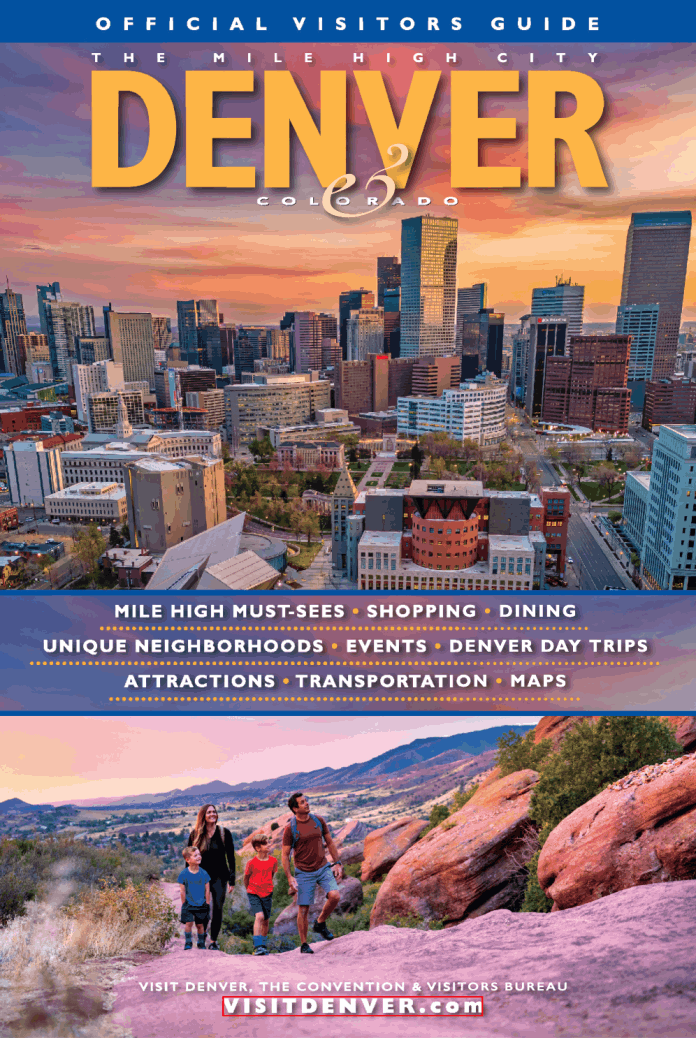
Denver sits in the South Platte River valley at the eastern edge of the Rocky Mountain Front Range. Known as the Mile High City for its 5,280-foot elevation, it serves as the capital of Colorado and the economic and cultural center of the state. Residents enjoy quick access to mountain recreation, a temperate four-season climate, and a steadily growing urban core that supports both downtown lifestyle and suburban living.

Community Snapshot

Item Detail
City Population Approximately 715,000
Metro Population Approximately 3.05 million
Regional Setting Front Range, eastern edge of the Rocky Mountains
Elevation 5,280 feet
Climate Semi-arid, four seasons, around 300 sunny days per year
Major Airport Denver International Airport, 25 miles east of downtown
Driving Distance to Mountains Foothills approximately 30 minutes; major ski resorts 1.5 to 2 hours

Regional Drivers and Industry

Denver supports a diverse economy that gives the city long-term stability across cycles. Key sectors include:

  • Aerospace and defense (Lockheed Martin, Northrop Grumman, Sierra Space, Ball Aerospace)
  • Healthcare and biosciences
  • Technology (Google, Amazon, Palantir, regional headquarters for several large tech employers)
  • Energy and natural resources
  • Telecommunications and media
  • Finance and professional services

Proximity to Other Destinations

Destination Distance from Denver
Boulder 30 miles northwest
Colorado Springs 70 miles south
Vail and Beaver Creek 100 miles west
Aspen 200 miles west
Rocky Mountain National Park 70 miles northwest

Your Ultimate Travel Guide

Looking to explore a new destination, but not sure where to start? A travel guide can help you discover the hidden gems and must-see attractions of a new place. Whether you're looking for the best local cuisine, the most scenic views, or the most exciting activities, a good travel guide can provide you with insider knowledge and expert recommendations. With a travel guide in hand, you can make the most of your trip and experience a new place like a local. So why not start planning your next adventure with a travel guide today?

History Unveiled: A Journey Through Time

Denver was founded in 1858 during the Pikes Peak Gold Rush, when prospectors established a settlement at the confluence of Cherry Creek and the South Platte River. The city was named for James W. Denver, then governor of the Kansas Territory, in an effort to win political favor for the new town. Its early growth was driven by mining, railroad expansion, and its strategic position as a supply hub for mountain mining camps.

Major Development Periods

  • 1858 to 1880: Gold and silver rush years; rapid early settlement
  • 1880s to early 1900s: Railroad expansion, banking, livestock, and agricultural processing
  • 1900s to 1940s: Government, military, and federal facility growth
  • 1950s to 1970s: Petroleum and energy industry boom
  • 1980s to 2000s: Diversification into telecommunications, technology, and aerospace
  • 2010s to present: Tech relocation wave, life sciences growth, and major downtown redevelopment

Notable Historical Figures

  • Horace and Augusta Tabor, silver kings of the Colorado mining era
  • Margaret "Molly" Brown, philanthropist and Titanic survivor whose Denver home is now a museum
  • John Evans, Colorado territorial governor and founder of the University of Denver
  • Ralph Carr, Colorado governor known for opposing Japanese American internment during World War II

Important Landmarks

  • Colorado State Capitol, completed in 1908 with a gold-leaf dome
  • Brown Palace Hotel, opened in 1892 and continuously operating since
  • Union Station, the historic 1881 transportation hub now restored as a downtown gathering place
  • Larimer Square, the city's oldest commercial block
  • Denver Mint, one of four official U.S. coin production facilities
  • Molly Brown House, a preserved Victorian home and museum

Population & Demographics: Understanding Our Diverse Community

Denver has grown steadily for over two decades and remains one of the fastest-growing major metropolitan areas in the country. The city itself is home to approximately 715,000 residents, with the broader Denver metropolitan area exceeding 3 million. Growth has been driven by job migration into the technology, aerospace, healthcare, and energy sectors, and the population skews young and well-educated relative to the national average.

Demographic Snapshot

Metric Denver City Denver Metro
Population Approximately 715,000 Approximately 3.05 million
Median Age 35 to 36 38
Median Household Income Approximately $90,000 Approximately $100,000
Bachelor's Degree or Higher Approximately 53 percent Approximately 47 percent
Owner-Occupied Housing Approximately 50 percent Approximately 65 percent

Diversity and Cultural Makeup

Denver has a multicultural population reflecting its history as a Western crossroads:

  • White (non-Hispanic): approximately 54 percent
  • Hispanic or Latino: approximately 29 percent
  • Black or African American: approximately 9 percent
  • Asian American: approximately 4 percent
  • Two or more races and other: approximately 4 percent

Major Employment Sectors

The Denver metro economy is unusually diversified for a city of its size, which contributes to economic resilience and a deep professional labor market. Leading sectors include:

  • Aerospace and defense
  • Technology and software
  • Healthcare and life sciences
  • Energy and renewables
  • Telecommunications and media
  • Financial services
  • Government and federal facilities
  • Tourism and outdoor recreation

Education Levels

Denver residents are notably well-educated. Around half of adults in the city hold a bachelor's degree or higher, well above the national average of around 35 percent. The University of Colorado Denver, the University of Denver, and Metro State provide a steady pipeline of graduates that supports the regional knowledge economy.
© Copyright 2023 Pacific Companies. All Rights Reserved.