Department Leadership
- Chair Dr. Kimberly D. Jenkins Active clinical practice, servant leadership philosophy, takes call
- Medical Director Dr. Andrew B. Casabianca, MD, DDS 30+ year tenure, transitioning as Vice Chair fills
- Associate Program Director Faculty member 0.8 FTE (protected admin time for residency)
Leadership Philosophy: Supportive rather than hierarchical. Chair maintains active clinical practice and understands frontline challenges.
Anesthesiology Faculty
Current Faculty Roster:
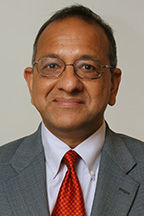
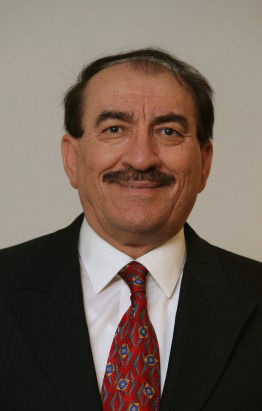
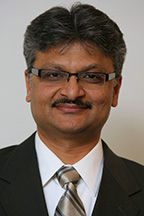
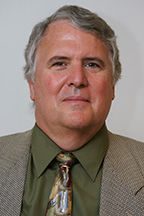
- Dr. Shashi B. Bhatt, MD, FRCA
- Dr. Anthony L. Braida, MD
- Dr. Ali M. Hassan, MD
- Dr. Thomas A. Rooney, MD
- Dr. Mukesh Pitroda, MD
Faculty Characteristics:
- ~6.6 FTE physicians currently taking call
- Additional part-time physicians (clinical only, no call)
- Board-certified physicians with diverse training backgrounds
- Career stages from mid-career to near-retirement
- Many with 10-30+ years tenure (demonstrates career satisfaction)
Pain Management Division
Division Director: Dr. Alexander Escobar, MD
- Board certified in Anesthesiology and Pain Medicine
- Fellowship-trained in pain management
- Operates separate pain division with own fellowship program
- General anesthesia faculty not required to cover pain clinics
Advanced Practice Providers
CRNAs (Certified Registered Nurse Anesthetists):
- 14.2 full-time equivalents
- Medical direction model
- Experienced practitioners with institutional knowledge
- Collaborative team members (not competitors for autonomy)
CAAs (Certified Anesthesiologist Assistants):
- Extend physician capacity
- Work under physician supervision
- Provide staffing flexibility
Support Staff
- OR nurses with low turnover and institutional knowledge
- Surgical technologists
- Preoperative assessment nurses
- Recovery room staff
- Consistent teams (know physicians by name, understand departmental protocols)
Department Culture
Collaborative vs. Competitive:
- Crisis support model (colleagues help during difficult cases)
- Team-based approach to challenging situations
- Academic values over individual productivity metrics
- Faculty relationships built over years and decades
Current Challenges:
- Recent attrition reduced faculty below sustainable levels
- Call burden acknowledged as unsustainable (7-8 per month)
- Anticipated 2-3 retirements in coming years
- Leadership actively recruiting to restore appropriate staffing
Faculty Longevity:
- Many physicians have 10-30+ years tenure
- Long careers demonstrate genuine satisfaction
- Stable relationships vs. constant turnover
- Physicians chose to stay (not inability to find alternatives)
What This Means for You
You Join a Team That:
- Values teaching and supports each other during crises
- Has carried excessive call burden while waiting for recruitment
- Welcomes new faculty as genuine colleagues (not just coverage)
- Built collaborative foundation over decades of shared practice
Your Arrival Matters:
- Directly reduces call burden for overworked colleagues
- Helps restore departmental strength and stability
- Contributes to rebuilding effort led by experienced leadership
- Joins physicians committed to academic medicine and resident education