Community Overview

Exploring Our Community

Beverly Hills sits at the eastern edge of Los Angeles's Westside, ten miles west of downtown LA and five miles from the Pacific Ocean. The practice's address is one of the most internationally recognized in the country, but the practical lifestyle zone for a physician working here extends well beyond city limits. Most candidates considering this opportunity will live somewhere on the broader Westside and treat Beverly Hills as the work anchor.

For everyday life, this is one connected region. Beverly Hills, West Hollywood, Bel Air, Brentwood, Westwood, Santa Monica, Pacific Palisades, Malibu, Culver City, Venice, and Marina del Rey are linked by short driving distances, shared cultural draws, and overlapping professional networks.

Regional Identity

The Westside is known for:

  • Mediterranean climate and proximity to the Pacific Ocean
  • A concentration of UCLA, Cedars-Sinai, and major academic and medical institutions
  • Headquarters of the entertainment industry
  • A high concentration of tech companies, hedge funds, creative agencies, and family offices
  • A residential profile heavily weighted toward executives, professionals, and entrepreneurs

The community is internationally connected, with many residents traveling regularly for business and leisure.

Climate Snapshot

Item Detail
Climate Type Mediterranean
Average Sunny Days 280-plus per year
Summer Highs 75 to 85 °F
Winter Lows Around 50 °F
Rainfall Approximately 15 inches per year, concentrated in winter
Snow None
Humidity Low

The climate supports a year-round outdoor lifestyle, with hiking, beach access, cycling, and outdoor dining viable in every season.

Airport Access

  • Los Angeles International (LAX): 15 to 25 minutes by car
  • Hollywood Burbank (BUR): 30 to 45 minutes, often more convenient for domestic travel
  • Long Beach (LGB): 35 to 50 minutes, useful for select domestic routes
  • John Wayne (SNA): about 60 minutes, used for Orange County destinations and travel to Asia

Regional Reach

From Beverly Hills, you are within easy reach of:

  • Pacific Ocean (5 miles)
  • Santa Monica Mountains and Topanga (15 to 25 minutes)
  • Downtown Los Angeles (15 to 30 minutes)
  • Getty Center, LACMA, Griffith Observatory, Hollywood Bowl (15 to 30 minutes)
  • Malibu and the northern coastal beaches (25 to 45 minutes)
  • Ojai, Santa Barbara, and the Central Coast (1.5 to 3 hours)
  • Big Bear, Mammoth, and Sierra Nevada skiing (2 to 5 hours)
  • Palm Springs (2 hours)
  • Las Vegas (4 hours)
  • Mexico and Baja (2 to 3 hours)
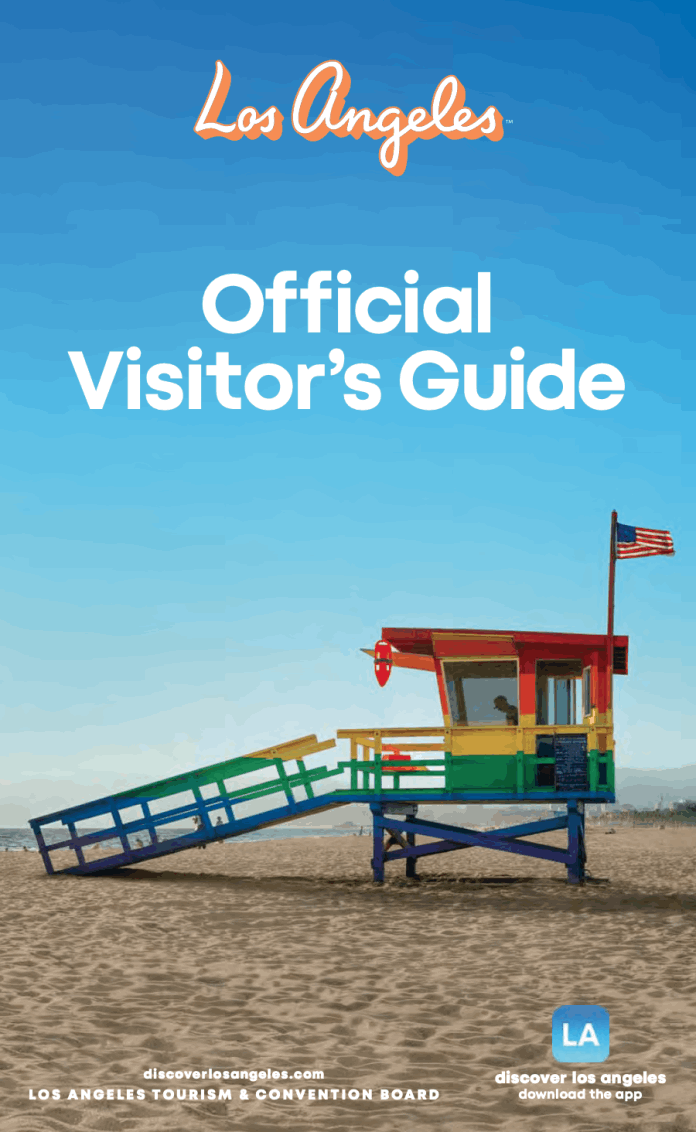
Your Ultimate Travel Guide

Looking to explore a new destination, but not sure where to start? A travel guide can help you discover the hidden gems and must-see attractions of a new place. Whether you're looking for the best local cuisine, the most scenic views, or the most exciting activities, a good travel guide can provide you with insider knowledge and expert recommendations. With a travel guide in hand, you can make the most of your trip and experience a new place like a local. So why not start planning your next adventure with a travel guide today?

History Unveiled: A Journey Through Time

Origins of Los Angeles

Los Angeles was founded in 1781 as a Spanish colonial settlement and remained a small town until California became a US state in 1850. The discovery of oil in the late 1800s, the arrival of the railroad, and the development of the Port of Los Angeles set the foundation for the city's transformation in the early 20th century.

Rise of the Westside

The Westside took shape between 1900 and 1940 as Los Angeles expanded westward. Beverly Hills was incorporated as a city in 1914 after a failed oil venture turned into one of the country's first planned residential communities. Santa Monica had been founded earlier, in 1875, and developed as a beach resort town. Westwood was master-planned in the 1920s, anchored by the move of UCLA from its original Vermont Avenue campus in 1929.

The Entertainment Era

Hollywood's emergence as the center of the American film industry between 1910 and 1930 reshaped the entire Westside. Studios, executives, writers, and performers settled in Beverly Hills, Bel Air, and surrounding neighborhoods. The result was a residential pattern that combined wealth, professional creativity, and a culture of privacy that still defines the area.

Key Historical Milestones

  • 1781: Founding of Los Angeles by Spanish settlers
  • 1850: California statehood
  • 1875: Santa Monica founded
  • 1881: Founding of the original UCLA precursor
  • 1887: Beverly Hills land purchased by oil prospectors
  • 1914: Beverly Hills incorporated as a city
  • 1919: Pickfair, the home of Mary Pickford and Douglas Fairbanks, becomes the first major Hollywood estate in Beverly Hills
  • 1929: UCLA Westwood campus opens
  • 1947: Cedars of Lebanon Hospital opens, later merging into Cedars-Sinai in 1961
  • 1997: Getty Center opens in Brentwood

Modern Influence

Today's Westside reflects this layered history. The grid of Beverly Hills, the planned feel of Westwood, the open beach culture of Santa Monica, and the canyon residential patterns of Bel Air and Pacific Palisades all trace back to early 20th-century planning decisions. The area is more diverse and more professionally varied than its mid-century reputation, but the foundation of academic, medical, creative, and financial industries remains central to its identity.

Population & Demographics: Understanding Our Diverse Community

Regional Population

The Westside is part of the larger Los Angeles metropolitan area, the second-largest in the United States. The work anchor in Beverly Hills places you at the center of a residential corridor of roughly 600,000 to 800,000 people across the connected Westside neighborhoods.

Population at a Glance

Area Approximate Population
Los Angeles County 9.7 million
City of Los Angeles 3.8 million
Beverly Hills 32,000
Santa Monica 90,000
West Hollywood 35,000
Brentwood 32,000
Westwood 50,000
Pacific Palisades 25,000
Bel Air 8,000
Malibu 11,000
Culver City 40,000

Age and Household Profile

  • Median age across the Westside ranges from 38 to 47, with Pacific Palisades and Brentwood skewing older
  • High concentration of professional, executive, and creative households
  • Two-physician households and dual-professional couples are common
  • A meaningful share of residents are parents of school-age children, particularly in Pacific Palisades, Brentwood, and parts of Santa Monica
  • A substantial retiree and second-home population, particularly in Beverly Hills proper

Diversity and Cultural Makeup

The Westside is ethnically and culturally varied, with a more cosmopolitan profile than many parts of Los Angeles. Significant communities include:

  • Jewish and Israeli communities, particularly in Beverly Hills, Westwood, and Pico-Robertson
  • Persian and Iranian-American communities, especially in Beverly Hills
  • Korean, Chinese, and Japanese communities across Westwood, Sawtelle, and broader West LA
  • Latin American communities throughout Culver City, Mar Vista, and West LA
  • European expatriates, particularly British, French, and German

English is the dominant language. Persian, Hebrew, Spanish, Korean, and Chinese are commonly spoken at home.

Income and Education

The Westside ranks among the highest-income areas in the United States. Household income medians in most neighborhoods exceed $130,000, with several neighborhoods exceeding $200,000. Educational attainment is exceptionally high, with the majority of residents holding bachelor's degrees and a large share holding graduate or professional degrees.

Major Employment Sectors

  • Entertainment (film, television, music, streaming)
  • Healthcare and life sciences (UCLA, Cedars-Sinai, City of Hope, Kaiser, dozens of academic and private practice groups)
  • Technology and venture capital (Silicon Beach, including Snap, Google, Meta, Hulu, and others)
  • Finance, hedge funds, and family offices
  • Real estate development
  • Legal and professional services
  • Higher education

A physician moving to the area will find a patient and social community heavily populated by senior professionals across these industries.

© Copyright 2023 Pacific Companies. All Rights Reserved.